
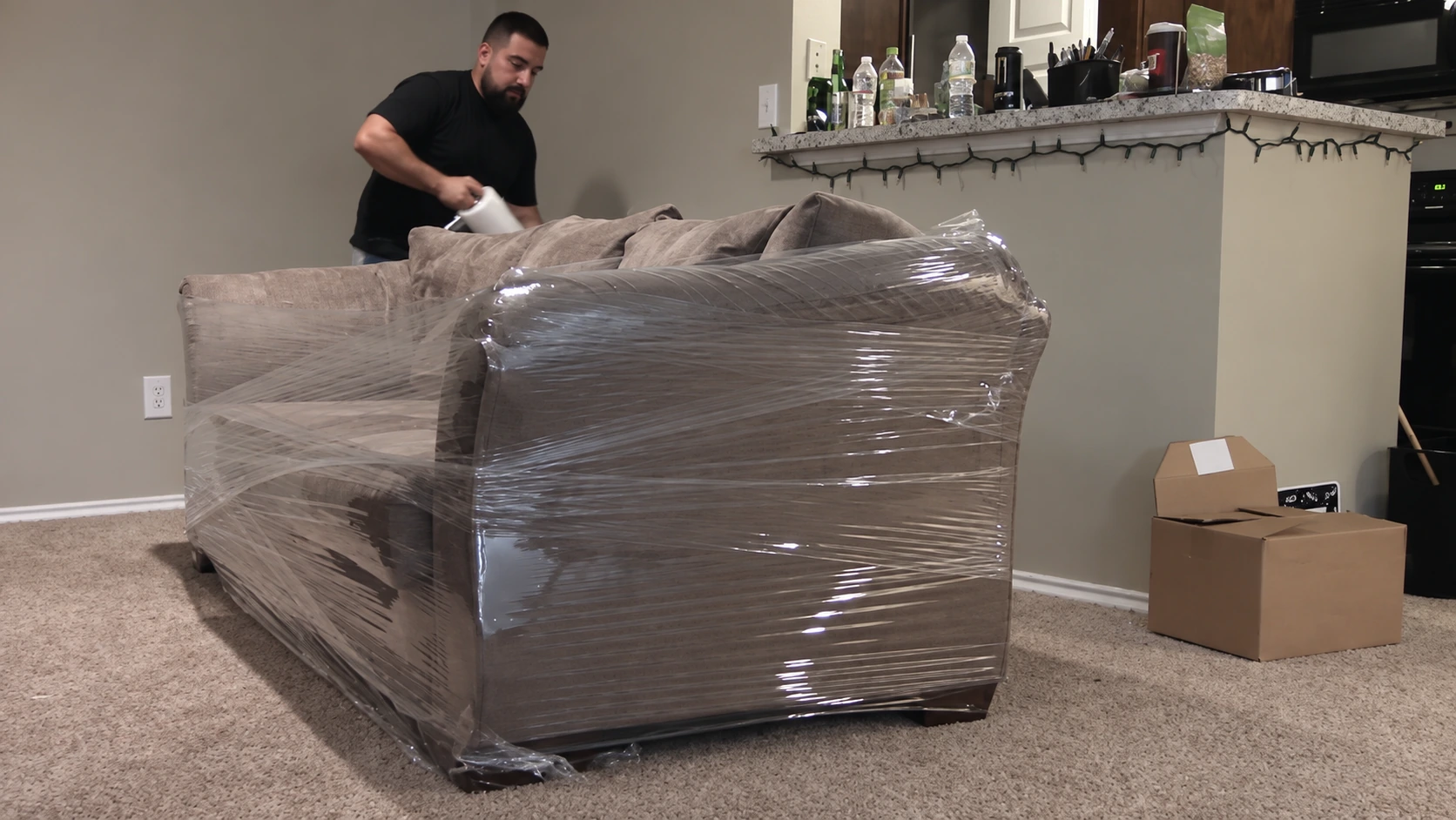
A San Diego hillside move begins with the route from room to legal truck position. Slopes, steps, narrow driveways, and tight furniture turns can matter more than mileage. The same questions apply at delivery, whether the route ends elsewhere in San Diego or near La Mesa. This guide turns the walk into a useful moving request.
Begin at the legal truck position
A hillside address does not tell a mover where a vehicle can safely stop. Photograph the lawful curb or driveway position and the complete path to the entrance. Include any grade change, gate, narrow drive, or place where a cart cannot roll. Do this at both properties, not only the pickup.
Check the approved vehicle position
A steep driveway or narrow street does not authorize a truck to stand there. Ask the property or responsible authority about the lawful position, then photograph the path from it to the entrance. Do the same at delivery so the crew can assess both carries.
Photograph the legal vehicle position from the street and from the property entrance, then trace the path a large item would follow between them. Note any narrow turn, gate, steep grade, or place where a dolly cannot roll. Ask the property or responsible authority about parking before assuming the closest curb is available. At a San Diego or La Mesa destination, repeat the same check; the second property can create the more difficult carry. If the approved stop is farther away, include that distance in the request.
Count the work between curb and room
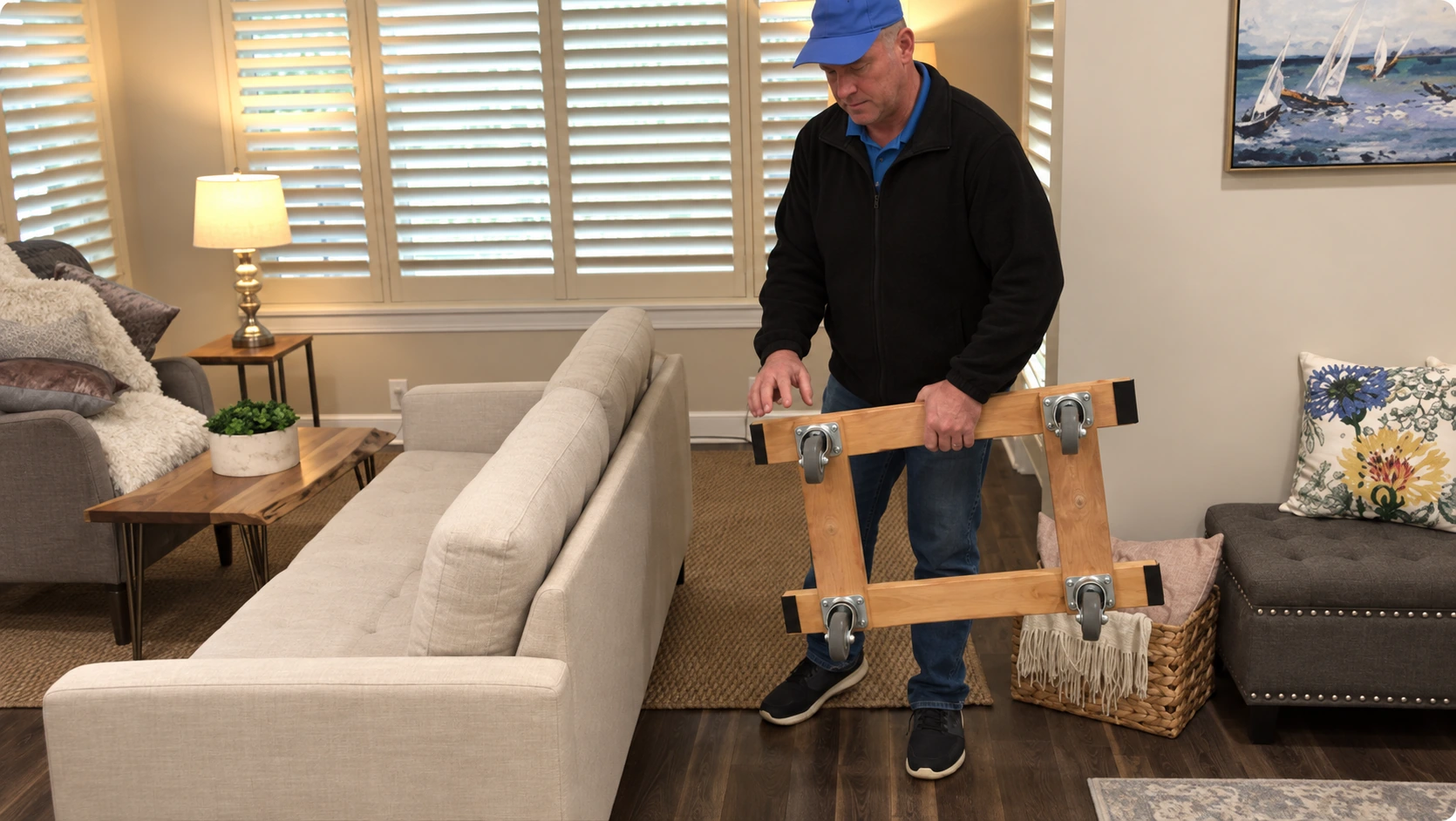
The carrying route may cross outdoor steps, a landing, a narrow front door, and another staircase inside. Record the longest distance and count steps separately. A short drive between La Mesa and San Diego can still involve more carrying than a longer route with direct driveway access.
Count steps and distance separately
Record outdoor steps, landings, an interior staircase, and the distance from curb to room. Note surfaces where a cart cannot roll safely and where a large item must be carried. A short San Diego drive can still involve a demanding hillside route at either end.
Count outdoor steps separately from interior stairs and note the landings between them. A staircase may have enough width but too little space to turn a rigid dresser. Check the ground surface, handrails, and where a wrapped piece can be set down without blocking access. Do not plan to carry across a slope merely because it appears shorter on a map. The moving team needs the full route, including any segment where wheels cannot be used, to discuss equipment and safe handling before the day arrives.
Measure large furniture
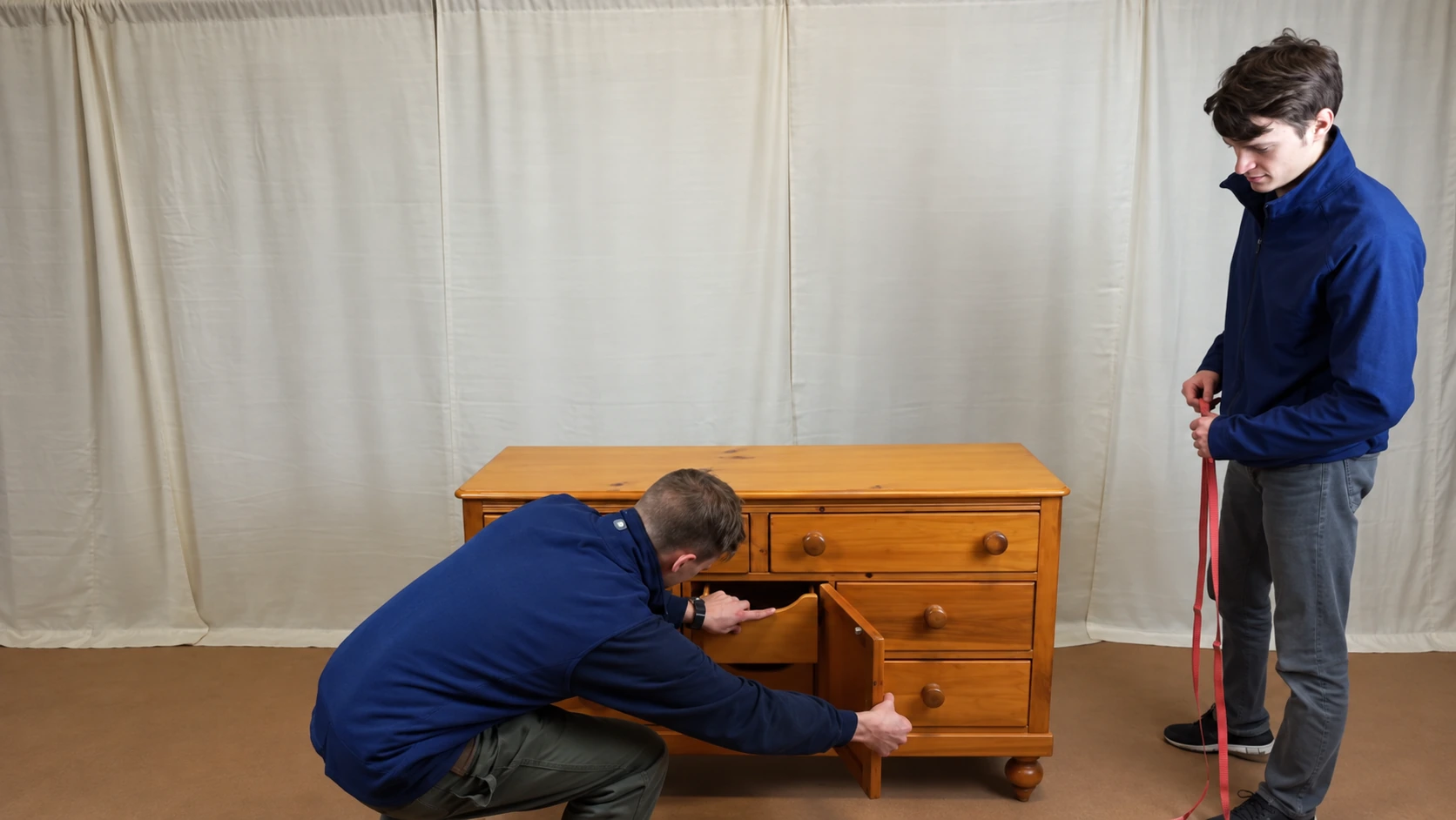
Note the dimensions of a sofa, dresser, or bed frame and compare them with the tightest door and turn. Photographs are useful, but a measurement tells you whether a piece may need disassembly. Decide who would handle that work and include it in the written scope before moving day.
Compare dimensions before moving day
Measure a sofa, dresser, bed frame, or appliance and the tightest opening or turn it must pass. Explain whether a piece can be disassembled and who would do that work. Photos show the setting; measurements make the fit question concrete.
Measure the actual furniture after any removable parts are identified. Compare those dimensions with the narrowest door, landing, and turn at both homes. If a bed frame or sofa may need disassembly, state who will do it and whether the service has been requested. Photographs help explain a tight corner, but the measurements are what make a fit discussion useful. Keep a separate list of large pieces with route questions so they are not lost among ordinary cartons when the household asks for an estimate.
Protect the destination
Label cartons by their final room and decide where heavy furniture belongs. A room plan avoids extra trips up and down a slope. Keep walkways open, identify delicate surfaces, and ask the property about any building protection requirements.
Prepare the receiving room
Label cartons by final room and decide where heavy furniture belongs before it reaches a slope or staircase. Keep walkways clear and ask the property about delicate surfaces or protection rules. Avoid carrying an item twice because the destination was not ready.
At the destination, decide where heavy furniture belongs before it is carried up or down a grade. Label cartons by the receiving room and clear the walking line through the new home. Ask about floor, wall, or common-area protection if the property has requirements. Keep keys, medication, documents, and chargers with the household. A room plan avoids taking a large item up a staircase only to learn it belongs elsewhere. It also helps a receiving contact direct the unload while the mover follows the approved outdoor route.
Send one clear route summary
Professional Movers Group can review the move when the inventory, access photos, measurements, requested timing, and any unresolved parking question are shared together. Availability and terms should follow that scope review rather than a guess based only on mileage.
Include uncertainty in the request
Send Professional Movers Group the inventory, route photos, measurements, preferred date, and any unresolved parking question together. A route summary should distinguish a confirmed legal stop from a proposed one. Availability and written terms can then follow a review of the actual work.
The route summary should distinguish observations from approvals. The household may observe a possible truck stop, but only the relevant property or authority can confirm that it may be used. Send Professional Movers Group the legal position, step count, grade, surfaces, furniture measurements, photos, and inventory with the date requested. Identify unanswered parking or access questions plainly. The company can then review the scope without treating an uncertain shortcut or driveway as part of a settled plan.
Check the route at the time the move will happen
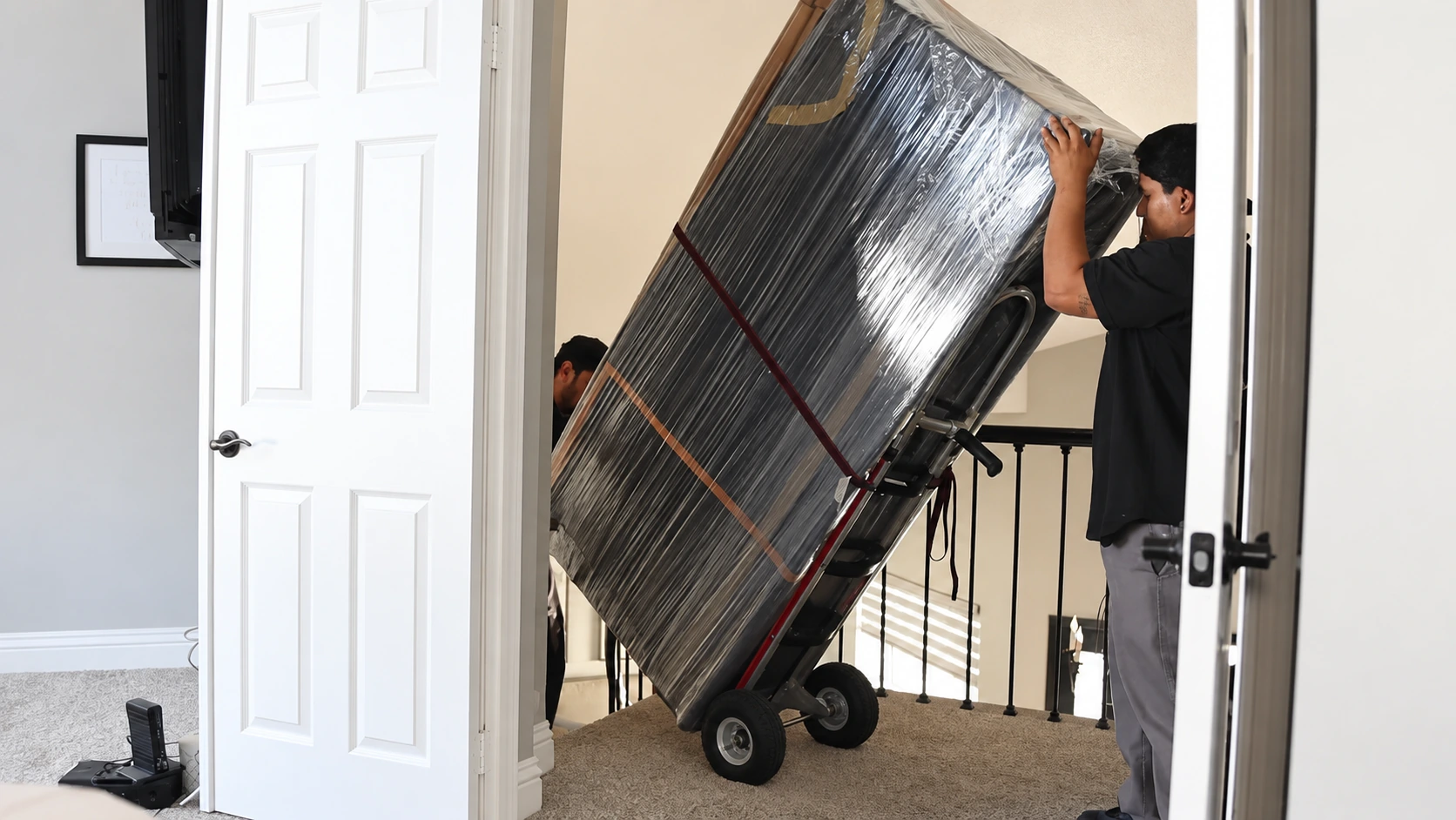
A hillside driveway can look straightforward when empty and less so when neighbors, parked cars, or a gate change the available space. Walk the approach at roughly the planned moving time, then photograph the lawful stopping point and any turn where a large piece must be carried rather than rolled. If the move involves a San Diego canyon street or a La Mesa slope, note the grade, loose surface, steps, and the place where a dolly can be set down safely. Send the photos with the measurements, and keep people clear of the carrying line. If a parking or building rule is uncertain, ask the responsible authority or property manager before making a loading promise.
Visit at roughly the planned hour
Parked vehicles, gate positions, and household traffic can change the usable path. Walk the route at a similar time of day and update photographs if conditions differ. Do not promise a truck position until the property or authority confirms it.
Walk the approach near the planned hour if possible. A driveway may be clear in the morning but crowded later, and parked vehicles can narrow a turn. Update the photos and notes when conditions change. If the preferred entrance is unavailable, document another permitted path with its own distance, steps, and furniture clearances before relying on it. Keep people and loose items out of the carrying line. A thoughtful alternate route is one that can be explained and approved in advance, not an improvised decision made while holding a heavy piece.
Document a safe alternate path
A hillside move benefits from a second look at any uncertain doorway, driveway, or stair turn. Measure the alternative entrance, record the lawful truck position it uses, and note how much farther items must be carried. Ask the mover to review that information before confirming the scope.
Keep a second safe route in mind
If the intended entrance proves too tight, identify an alternative that is permitted and can be measured. Share it with the mover before the day, including extra steps or distance. A backup route should be a real, approved path rather than an improvised shortcut on a slope.
Hillside route details to share
- Lawful truck position and full route to each front door.
- Step count, grade, surface, and long carrying distance.
- Measurements and photos of furniture and tight turns.
- Destination room plan and any protection requirements.
- Unresolved parking or access questions clearly marked.
| Stage | What matters | Action |
|---|---|---|
| Vehicle | Lawful stopping point | Confirm with property or authority |
| Carry | Slope, steps, and distance | Walk both properties |
| Furniture | Piece size and narrowest opening | Measure before booking |
| Backup | Permitted alternate entrance | Review with mover |